Industry Insights
One Bicycle Helmet Sample, Three OEM Sizes: What Does the U.S. Test File Cover?
Before approving a U.S. bicycle helmet OEM size run, match each model and size to representative samples, CPSC test records, labels and the production configuration.
An importer likes the medium bicycle helmet sample and wants to order small, medium and large with its own color and packaging. The decision is whether the three-size OEM run is ready for a purchase order. A medium sample alone cannot identify the test scope for the other sizes.
Why the decision matters
The U.S. Consumer Product Safety Commission’s bicycle helmet business guidance explains the mandatory 16 CFR part 1203 requirements: https://www.cpsc.gov/Business--Manufacturing/Business-Education/Business-Guidance/Bicycle-Helmets . Its certification-testing guidance refers to a minimum of eight helmets of each size for each model offered for sale, and to testing helmets in the condition offered for sale, including manufacturer-offered attachments. It also describes fit warnings, certification labels and test-record duties. These requirements must be reviewed for the exact intended U.S. product; a catalogue photograph does not establish compliance.
Evidence to request: the model-by-size sheet
For each offered size (small, medium and large), request and compare:
• Exact model and shell/liner revision — to be verified for all three sizes.
• Head-circumference range and fitted sample — to be verified for small and large; the medium sample was seen, but its identity remains to be verified.
• Test record and tested configuration — to be verified for all three sizes.
• Sizing pads, retention system and attachments — to be verified for all three sizes.
• Certification label, warnings and packaging artwork — to be verified for all three sizes.
Request the actual report or underlying test records, size-specific sample identifiers, proposed label artwork and production bill of materials. Model-specific CPSC evidence for any Taotao catalogue item is unconfirmed until the corresponding documents are reviewed. MOQ, lead time, price and available sizes are available upon confirmation for the exact model and order.
How to verify
Put the test report’s model, size, sample date and configuration beside the supplier’s physical samples and production specification. Check whether a different shell, pad set, strap or attachment changes what was tested. Ask who selected the test samples, what production lot the records represent, and how later production will be checked against the approved sample. Have the U.S. importer or a qualified product-compliance specialist review the applicable certificate and labeling obligations.
Red flags and limits
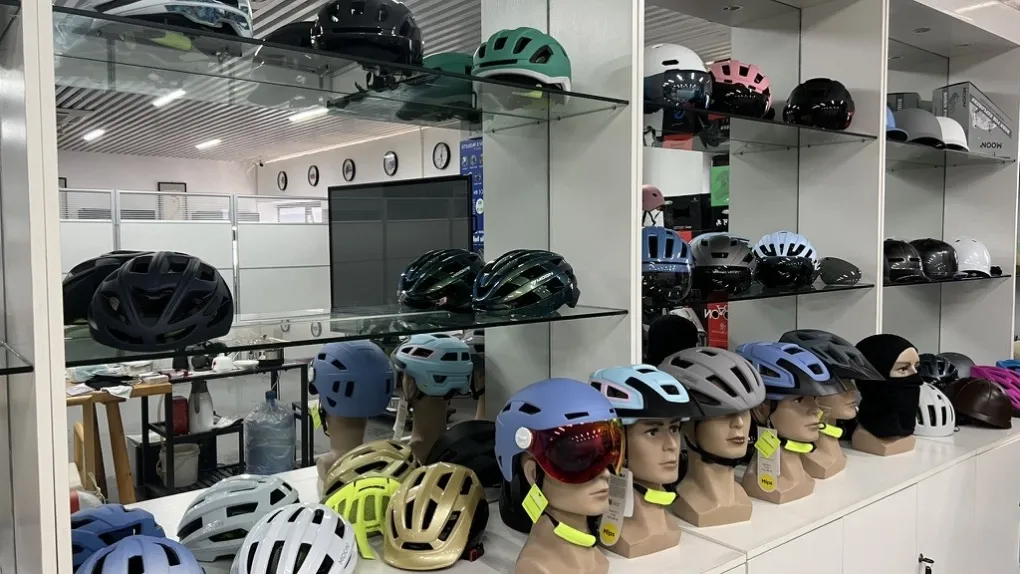
Pause if the supplier sends only a medium-size report for a three-size order without explaining the other sizes, a generic CPSC logo, a report with a different model designation, or labels still showing the source brand while the order uses a private label. A successful fit trial is useful for merchandising, but it is not a substitute for certification testing. The accompanying Taotao business-visit photo shows sample helmets on display; it proves no model’s certification.
Continue / Pause / Escalate
• Continue when each offered model and size is matched to the correct sample, test scope, label and agreed production controls.
• Pause when any size or attachment is absent from the evidence map.
• Escalate conflicting or incomplete U.S. compliance evidence to a qualified testing or legal specialist before committing to production.
Browse sports helmet products for the current range: https://catalog.taotaotrading.com/products . One next step: send Taotao Trading the proposed model and size matrix for a document-scope check: https://www.taotaotrading.com/contact . Redact customer names and confidential pricing before sharing.
Photo: Taotao business-visit photo for product-range context; it does not verify a particular model, test or order.