Aug 6, 2026Industry Insights
ECE 22.06 Helmet Visor Supplier Guide: What Buyers Should Verify
Buying helmet visors for an ECE 22.06 helmet? Check the exact visor type, approval documents, product markings, optical requirements and model compatibility before ordering.
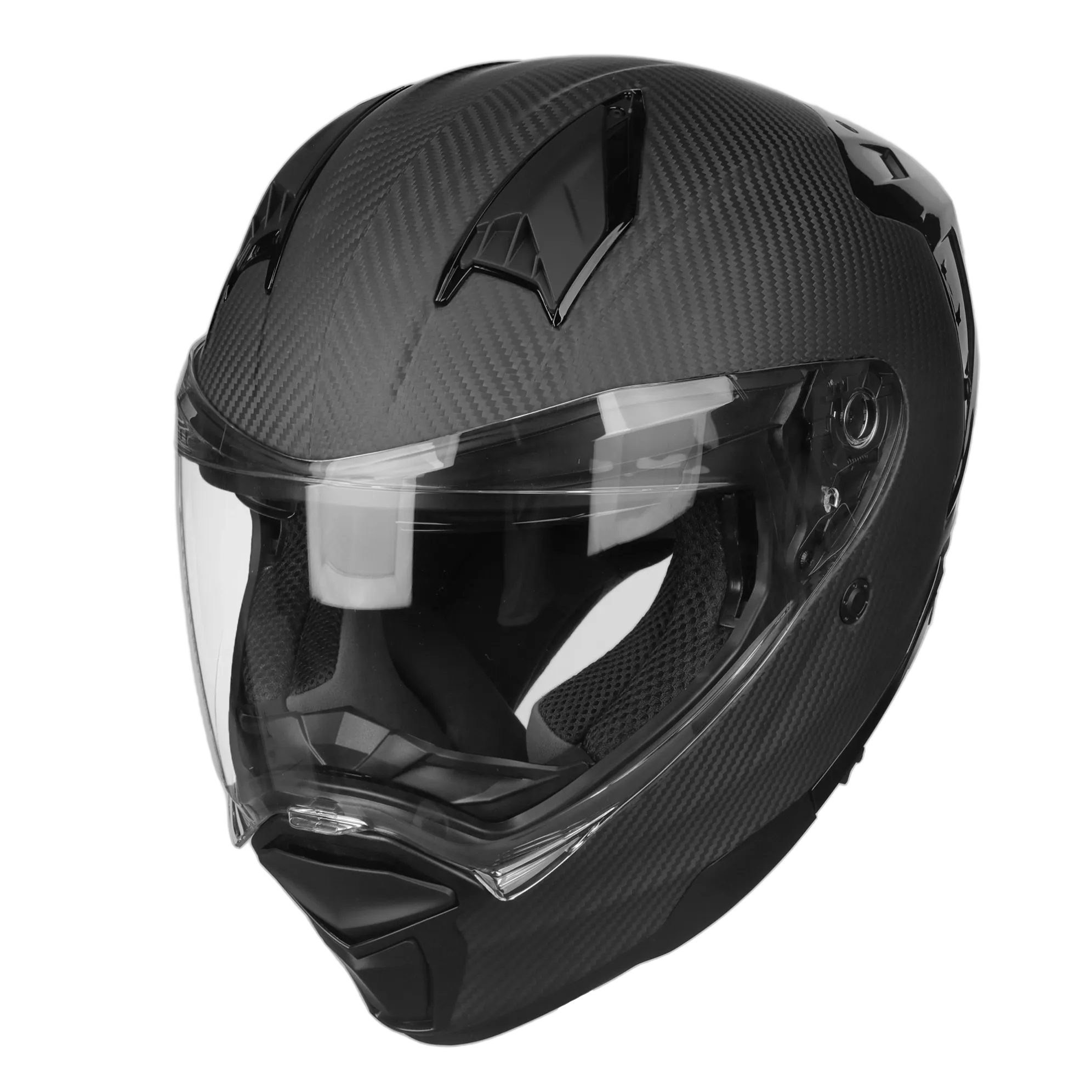
WHY HELMET BUYERS SHOULD REVIEW THE VISOR SEPARATELY
When sourcing a motorcycle helmet, buyers often request the helmet approval document but pay less attention to the visor supplied with it. That can create avoidable problems when the visor model, product marking or supporting document does not match the configuration being quoted.
UN Regulation No. 22 is titled “Uniform provisions concerning the approval of protective helmets and of their visors for drivers and passengers of motorcycles and mopeds.” In other words, the regulation addresses both helmets and visors. Buyers should therefore avoid treating every spare, tinted or replacement visor as an automatically approved accessory.
The safest purchasing approach is simple: ask the supplier to identify the exact visor type, the helmet models it fits, the approval evidence that applies to that configuration and the markings that will appear on the production item.
USE A THREE-POINT DOCUMENT CHECK
Taotao Trading recommends a practical buyer-side check:
- The model or type shown in the approval documentation.
- The model stated in the quotation, catalogue or purchase specification.
- The marking and configuration on the physical helmet and visor.
These three references should be reviewed together. This is a purchasing control, not a substitute for review by an approval authority or certification body. If the references do not align, pause the order and ask the supplier to explain the difference in writing.
A certificate PDF alone is not enough. Buyers also need to confirm that it relates to the exact model and configuration being purchased.
WHAT TO REQUEST FROM A HELMET VISOR SUPPLIER
- Exact model and compatibility information
Ask for the visor model code and a compatibility list showing the helmet models it is designed to fit. For replacement visors, request enough information to prevent similar-looking but incompatible parts from being mixed during ordering or packing.
- Applicable approval documents
Ask the supplier which approval document applies to the quoted helmet-and-visor configuration. Request the relevant document reference and the page or annex that identifies the applicable type where available. Do not extend one document to unrelated models without evidence.
- Product markings and traceability
Request clear photographs of the markings on the production visor and helmet. Compare them with the quotation and applicable approval documents. Also ask how the supplier controls model identification during production, packing and shipment.
- Optical and mechanical test evidence
UN Regulation No. 22 contains requirements and tests for visors. Depending on the product and intended market, buyers may need to review characteristics such as light transmission, optical quality, abrasion resistance and other prescribed performance requirements. Ask for test evidence relevant to the exact visor variant instead of relying on broad claims such as “ECE visor” or “certified material.”
- Tint and intended use
Clear, tinted, mirrored, photochromic and anti-fog visor variants should not be assumed to have identical approval scope or use conditions. Ask the supplier to identify the applicable marking, intended-use information and supporting evidence for each variant. Confirm the final requirement with the relevant authority or certification body for your target market.
- Batch and change control
Ask how the supplier controls the resin, coating, tint, tooling and model identification used in production. If a material, coating or design changes after approval or testing, request written confirmation of whether further review is needed before accepting the revised product.
A PRACTICAL VISOR RFQ CHECKLIST
Include these questions in your request for quotation:
• What is the exact visor model code?
• Which helmet models is it designed to fit?
• Which approval document applies to this helmet-and-visor configuration?
• What markings will appear on the production visor?
• Are clear, tinted, mirrored and photochromic versions covered by the same evidence?
• What optical and mechanical test reports are available for the quoted variant?
• Can you provide production-sample photos showing the model and approval markings?
• How do you prevent visor models from being mixed during production and packing?
• What are the sample, MOQ, logo, color and packaging options? Please confirm these for the specific model rather than applying general catalogue terms.
HOW TAOTAO TRADING CAN HELP
Taotao Trading helps overseas buyers source motorcycle helmets and visors from South China. Our work can include supplier screening, document collection, factory visits, sample comparison and follow-up on key production and packing points.
Katherine Tu’s background includes more than ten years of corporate credit and risk-identification experience in a state-owned bank, international trade experience and a master’s degree in English translation. This supports a practical approach: compare what the supplier says with observable company, production and document evidence, while clearly flagging information that still needs confirmation.
For a current product example, view the F605 full-face motorcycle helmet:
https://www.taotaotrading.com/products/1782877472994
Certification availability, visor options, MOQ, samples and customization must be confirmed for the exact model and target market.
REQUEST HELMET AND VISOR SOURCING SUPPORT
Tell us your target market, estimated quantity, required helmet or visor model and the certification documents you need to review. We can help shortlist suitable options and identify the questions that should be confirmed before quotation or sampling.
OFFICIAL REFERENCE
UNECE — UN Regulation No. 22, Revision 5, 06 series:
https://unece.org/transport/documents/2021/08/standards/un-regulation-no-22-rev5-06-series
COMPLIANCE NOTE
This article is a procurement checklist, not legal or certification advice. Requirements, amendments and market implementation can change. Confirm the applicable rules with the relevant approval authority, certification body or local regulator before importing or placing a product on the market.