Industry Insights
A U.S. Bicycle Helmet Rule Was Removed. Can You Skip the Model File?
A 2026 CPSC change removed an obsolete interim provision, not today's bicycle helmet standard. Check the exact OEM model file before approving an order.
Hypothetical buyer situation: a U.S. private-label importer is reviewing an OEM bicycle helmet. A supplier forwards a deregulation headline and suggests dropping a test-document check from the order. The immediate decision is whether that proposed change is justified.
What changed, and why the distinction matters
CPSC's September 21, 2026 release says the removed interim provision applied to helmets manufactured between March 1995 and March 1999. The agency explicitly says the permanent bicycle helmet safety standard remains unchanged for helmets manufactured today. The announcement therefore does not support waiving current requirements for a new OEM order.
Official source: https://www.cpsc.gov/Newsroom/News-Releases/2026/CPSC-Continues-Elimination-of-Outdated-and-Unnecessary-Regulations
Evidence the buyer should request
Taotao's rule-to-order comparison sheet has four rows:
• Regulatory claim: the exact removed provision, effective date and official source, rather than a headline screenshot.
• Product identity: OEM model code, intended use and age group, size range and planned marketing description.
• Technical file: the applicable current requirements, corresponding test reports and a clear explanation of which ordered configurations the evidence covers.
• Production specification: the sample revision, shell and liner material specification, retention system, labels and instructions. Any unconfirmed material, certification, MOQ or lead time remains available upon confirmation.
How to verify it
Read the change notice against the claimed exemption. Then reconcile the model and configurations in the purchase order with the technical file. CPSC's current bicycle-helmet guidance identifies 16 CFR part 1203 and describes performance testing. It also explains that marketing a multipurpose helmet for bicycle protection can bring it within the bicycle-helmet definition. A supplier's category name alone should not settle intended-use questions.
Guidance: https://www.cpsc.gov/Business--Manufacturing/Business-Education/Business-Guidance/Bicycle-Helmets
Ask the responsible importer and qualified test body to confirm the applicable evidence and certification route for the intended product and age group. Keep their response tied to the exact model, sizes and revisions. Do not treat a general rule explanation as approval of any displayed Taotao product.
Red flags and limitations
Pause if the supplier cites removal of an old provision as removal of the entire current standard, provides a report for another model, or cannot reconcile the tested configuration with the OEM sample. A report's existence alone does not prove it is authentic, complete or applicable to the production order. This article is a purchasing document check, not a laboratory assessment or legal determination.
Continue / Pause / Escalate
Continue: the change has been understood correctly and the model-specific requirements and evidence have been reconciled by the responsible parties.
Pause: the proposed waiver relies only on a headline, an old report or an unidentified sample.
Escalate: uncertain intended use, age classification or conflicting model coverage to the responsible importer and qualified compliance/test specialist before approving production.
Related product context: AR01 In-Mould Road Cycling Helmet. This link identifies a catalog item, not confirmed U.S. compliance; model-specific evidence remains to be verified.
Send Taotao the proposed model, intended use and age group for a model-specific evidence request list.
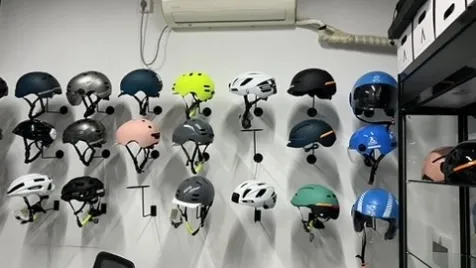
Photo: bicycle and sports helmets displayed during a Taotao business visit. The scene is context only and does not establish any model's certification or compliance.