Aug 20, 2026Industry Insights
ECE 22.06 Visor Pre-Shipment Check: Match Documents, Order and Markings
Pre-shipment checklist for matching UN Regulation No. 22 visor approval evidence, purchase specifications and physical markings—and checking EN 166 or Pinlock claims for the exact configuration.
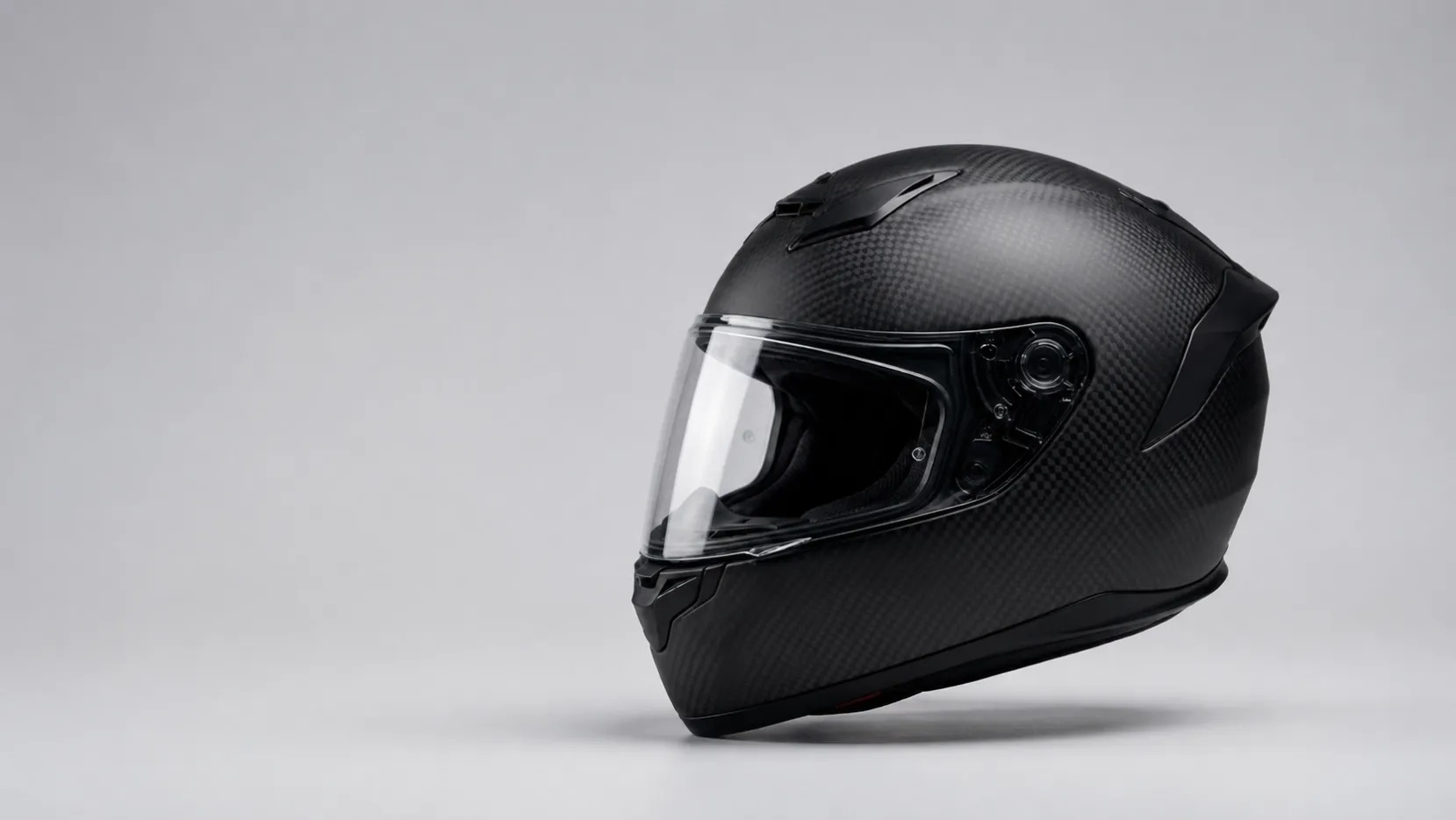
A visor order can look correct in a quotation and still arrive with the wrong tint, mounting pattern, model code or marking. The most useful control is a final comparison of the approval evidence, the commercial order and the physical product before shipment release.
This checklist is written for importers evaluating motorcycle helmet visors under UN Regulation No. 22. It is a buyer-side sourcing control, not legal or type-approval advice.
Why the last check belongs before shipment release
Visor details can drift as a project moves from sample to production. A quotation may be revised, a tinted option may replace a clear visor, packaging artwork may keep an old model code, or a replacement visor may be packed for a similar-looking helmet.
Once the shipment is sealed, every correction becomes slower and more expensive. Before release, a buyer should therefore compare the final production evidence with the exact purchase specification—not merely confirm that a PDF exists.
Start with the applicable UN Regulation No. 22 scope
UN Regulation No. 22 covers the approval of protective helmets and their visors for motorcycle and moped riders. That does not mean every spare, tinted, mirrored or replacement visor is automatically covered by one helmet document.
Ask the supplier to identify the evidence that applies to the exact helmet-and-visor configuration. Record the approval number and series, approval holder, helmet or visor type, trade name, relevant variants and any extensions or revisions that affect the order.
When a supplier page promises an “ECE 22.06 certified helmet visor supplier,” the useful question is not whether the phrase appears in marketing copy. The useful question is: which approval evidence covers this exact visor type and production configuration?
The three-match check
Review three identities together.
1. Approval evidence
Confirm the approval number, series, type or model identification, approval holder and relevant visor information shown in the applicable approval documents.
2. Commercial order
Compare the evidence with the quotation, approved specification, purchase order, sample record, packaging artwork and any marketplace or catalogue listing used for the project.
3. Physical product
Check the markings, labels, tint, mounting points and supplied accessories on the approved sample and representative production units.
If the three identities do not align, pause shipment release and resolve the difference in writing. A genuine document for another type does not prove the configuration in the cartons.
Ten buyer controls before the container is sealed
- Approval reference: Record the exact approval number, series and document revision used for the order.
- Model identity: Match the type or model in the approval evidence to the quotation and purchase order.
- Physical marking: Obtain clear production photos of the visor and helmet markings, not only sample photos from an earlier project.
- Compatibility: Confirm the visor mounting points and compatible helmet models against the approved specification.
- Variant: Identify whether the packed visor is clear, tinted, mirrored, photochromic or another specified finish.
- Optical and mechanical evidence: Request the report or approval reference applicable to that exact variant rather than a broad material claim.
- Anti-fog configuration: If a Pinlock-ready visor or insert is specified, record the compatible insert code, pins and supplied components.
- Packaging identity: Match the model code, barcode, color or tint description and quantity on inner and outer packaging.
- Change control: Ask whether tooling, resin, coating, tint, supplier, markings or accessories changed after sample approval.
- Evidence retention: Keep dated photos, the approved specification and the final packing record with the order file.
This is a practical purchasing checklist. The sampling plan and acceptance criteria should be agreed for the product, order size and destination market.
Why EN 166 is not a shortcut for motorcycle visor approval
EN 166 concerns personal eye protection. BSI records BS EN 166:2002 as an occupational eye-protection standard and as withdrawn on 13 June 2022. It should not be used as a substitute for model-specific UN Regulation No. 22 evidence for a motorcycle helmet visor.
If a supplier describes itself as an “EN 166 motorcycle visor manufacturer,” ask five follow-up questions:
- Which exact standard and edition was used?
- Why is that standard relevant to this product and target market?
- Which visor model and variant did the report test?
- Which laboratory issued the report, and what was its scope?
- How does the evidence relate to the applicable helmet-and-visor approval?
An additional eye-protection report may provide useful technical information, but it does not automatically establish the approval status of a motorcycle helmet visor.
Pinlock, tint and UV claims are configuration details
Pinlock states that its 30, 70, 120 and 200 designations are fog-resistance performance levels. They are not guaranteed anti-fog durations in hours. Buyers should specify the exact insert product or performance level, compatible visor, pin system and whether the insert is included or optional.
Treat tint, mirror coating, photochromic performance and UV claims in the same way: request evidence for the exact production variant. Do not assume that a report for a clear visor applies unchanged to every coating or tint.
Put the control points into the purchase order
A useful PO or approved specification should identify:
- visor model and compatible helmet model;
- clear, tinted, mirrored or photochromic variant;
- material, coating and surface-treatment requirements;
- anti-fog insert or Pinlock-ready configuration, when required;
- required markings and their location;
- applicable approval and test-document references;
- packaging model code, barcode and quantity;
- sample-approval reference;
- written notification before any material, tooling, coating, marking or supplier change.
The goal is simple: the evidence used to approve the order should still describe the product that is packed.
Continue the supplier review
For the broader supplier and document-screening process, read the Taotao Trading guide:
You can also review selected full-face helmet models in the product catalogue:
If you are sourcing motorcycle helmets or replacement visors, send the reference image or link, estimated quantity, target market, required specifications or certification, and target delivery date:
Taotao Trading can help compare supplier documents, commercial specifications, samples and factory-side evidence. Final regulatory acceptance remains subject to the applicable approval authority, certification body or destination-market regulator.
Official references
UNECE — UN Regulation No. 22, Revision 5, 06 series:
BSI — BS EN 166:2002, Personal eye protection, withdrawn 13 June 2022:
Pinlock — official anti-fog performance levels and fitment information:
Compliance note
This article is a procurement checklist, not legal, customs or certification advice. Requirements, amendments and national implementation can change. Confirm the rules that apply to the exact product and destination market before importing or placing a product on the market.